Water operator exam day: a study plan and what to expect in the room
Quick answer
What is the water operator certification exam like, and how should I study for it?
The exam mixes knowledge questions on process, safety, and regulations with plant math, and the math is what decides most results. A realistic plan is a few math problems every day for two to four weeks plus targeted reading, not a cram. Expect a proctored multiple-choice test with a provided formula sheet and an allowed calculator. If you fail, you can retake it, and most people pass the second time.
Once you know the exam is coming, the anxiety is usually about the unknowns: what is actually on it, how to study without wasting weeks, what the room is like, and what happens if you do not pass. This guide answers all four from the operator’s-eye view, so you walk in knowing what you are walking into.
What the exam covers
Whether your state writes its own exam or uses the Association of Boards of Certification (ABC) standardized exam, the content splits into two kinds of questions:
- Knowledge questions on treatment processes, equipment, safety, water quality, and regulations. These reward reading and experience, and much of it you already know from the plant floor.
- Plant math: dosage (the pounds formula), detention time, flow conversions, disinfection (CT), loading rates, and, for wastewater, the activated-sludge ratios.
The knowledge questions are where most candidates are comfortable. The math is where results are decided. So the study plan below spends its effort where the exam actually separates passers from failers.
A realistic study plan
You do not need months, and cramming does not work for this exam, because the failure mode is precision under pressure, and precision is a trained habit, not a memorized fact. Two to four weeks of steady, focused work beats a frantic final weekend. Here is a plan that fits around a working shift.
Weeks 1 to 2: build the math reflexes.
- Do three to five math problems every day, always writing the formula down before touching a number. The free operator-math trainer generates fresh problems with worked solutions and flags the exact slip you made, which is what turns a shaky formula into an automatic one.
- Start with the pounds formula and detention time until they are effortless, then layer in CT, loading rates, and (for wastewater) the activated-sludge set.
- Keep a running list of the specific errors you make. Most people slip on the same two or three things (a dropped decimal, an MGD-versus-GPM mixup), and naming your own pattern is half the fix.
Weeks 2 to 3: shore up the knowledge.
- Read through the process, safety, and regulatory material for your discipline and class. Your state agency and rural water association often publish the exam’s content outline, so study to the outline, not to a random textbook.
- Spend extra time on your state’s own regulations, because that is content a general study source will not cover and where state-written exams concentrate.
Final week: simulate and rest.
- Do full mixed sets under a timer so the math feels routine at speed.
- Confirm the logistics (location, time, ID, what you may bring) so nothing is a surprise.
- Sleep before test day. This exam rewards a clear head doing careful arithmetic far more than one more hour of cramming.
What to bring and what to expect in the room
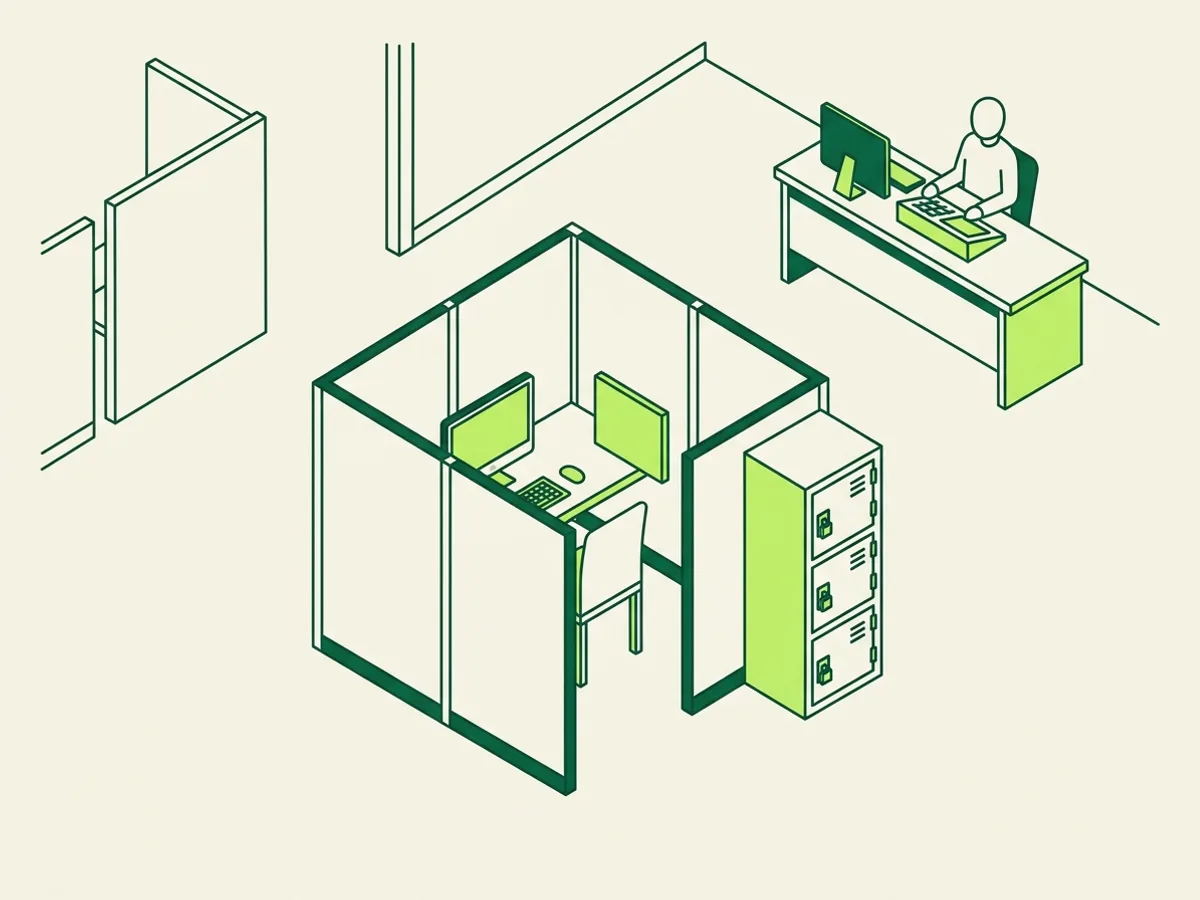
Certification exams are typically proctored, multiple-choice tests, taken at a test center or a state-designated site, sometimes on paper and increasingly on a computer. Common specifics, all of which you should confirm with your state or ABC before test day because they vary:
- A formula and conversion sheet is usually provided. You generally do not have to memorize every constant, but you do have to know which formula to use and how to apply it, which the trainer builds.
- A basic calculator is usually allowed (sometimes a specific type, sometimes provided). Confirm what is permitted so you are not caught out.
- Government-issued photo ID is required.
- A time limit that is generous if your math is fluent and tight if it is not, which is the whole argument for drilling the math ahead of time.
- Scratch paper for working, which you should use: write the formula, carry the units, check the decimal, every time.
Personal items, notes, and phones are generally not allowed at your seat. Arrive early, because a rushed start is a bad way to begin a timed math test.
What your score means
Exams are typically pass or fail against a set passing score, and you usually receive a result showing whether you passed and often how you did by content area. A by-area breakdown is useful even when you pass, because it tells you where to focus for the next class up, and invaluable when you do not, because it tells you exactly what to drill before a retake.
If you fail
First, you are not unusual. The math fails a meaningful share of capable, experienced people on the first try, and failing the exam is not failing at the job. States allow retakes, usually after a waiting period and another fee, and most people who fail once pass on the retake, because they now know exactly which section beat them.
If you have to retake it:
- Use your score report. It points at the content area that cost you. If it was the math, that is the most fixable part.
- Go back to daily problems in the specific domain you missed, with the trainer flagging your error class until the mistake stops happening.
- Do not over-study the parts you already passed. Spend your time where the points are.
The retake is not starting over. It is a targeted second attempt with a map of exactly where to aim.
The bottom line
The certification exam is very learnable and very beatable, and the people who beat it comfortably are the ones who put their study time into the math weeks ahead instead of cramming theory the night before. Build the math reflexes with a few problems a day, study your state’s regulations to the published outline, confirm the logistics, and walk in rested. Start drilling now with the operator-math trainer, lean on the math guide for the worked methods, and check your state’s page for your exam’s specific format and rules.
Sources: the exam structure (proctored multiple-choice, knowledge plus math, provided formula sheet, allowed calculator, pass or fail with retakes) reflects the standard format of United States operator certification exams, including the Association of Boards of Certification standardized exams used by many states. Specific rules on calculators, time limits, passing scores, and retake waiting periods are set by each state or ABC and should be confirmed for your exam; where noted they are cited and dated on the per-state pages. Authored by the Water Cert Prep editorial team. Not legal advice. Reviewed 2026-07-24.